This trip takes you from the spiritual heart of Lourdes to the elegant streets of Pau, two very different cities in the French Pyrenees. You’ll explore famous pilgrimage sites, historic castles, panoramic viewpoints, and relaxed city spaces - all in a day! It’s a mix of culture, history, and easy sightseeing, with time to walk, explore, and enjoy the atmosphere.
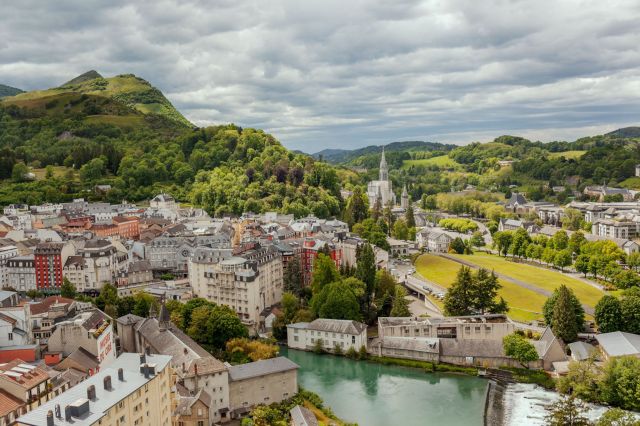
LOURDES
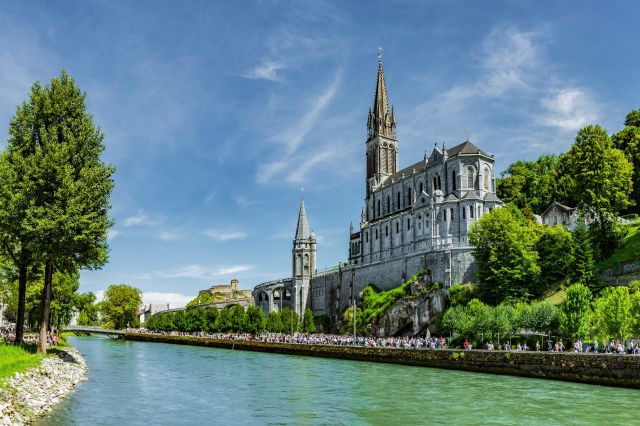
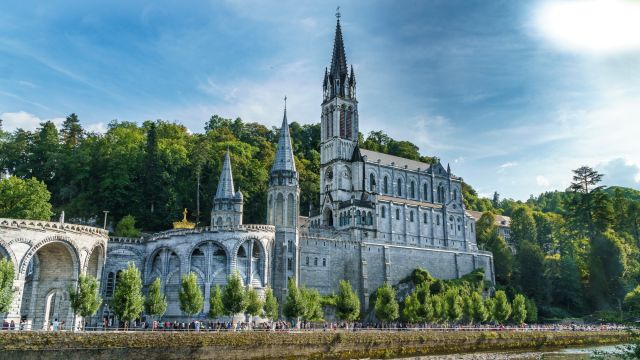
Sanctuary of Our Lady of Lourdes
One of the most important Catholic pilgrimage sites in the world. Lourdes became famous in 1858, after Bernadette Soubirous reported visions of the Virgin Mary at the Grotto of Massabielle.
Today, around four million people visit every year, many coming for spiritual reflection or healing. Fun fact: after Paris, Lourdes has the highest number of overnight stays in France, due to the constant flow of pilgrims throughout the year. The sanctuary expanded mainly in the 20th century to accommodate large international crowds, especially the sick and disabled.
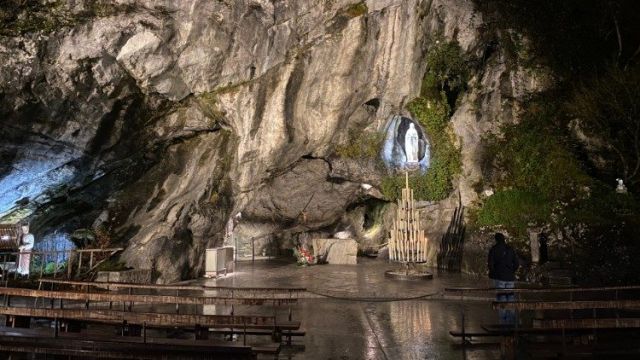
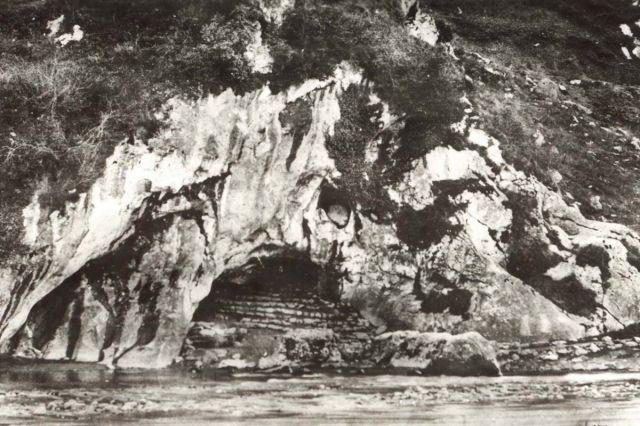
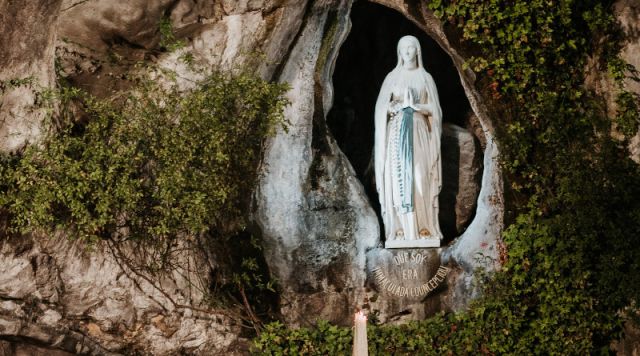
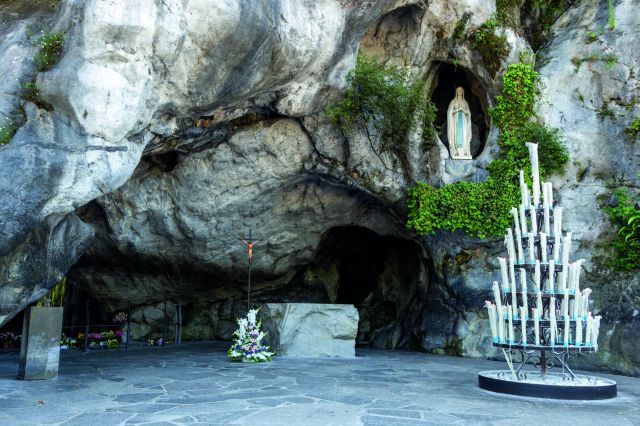
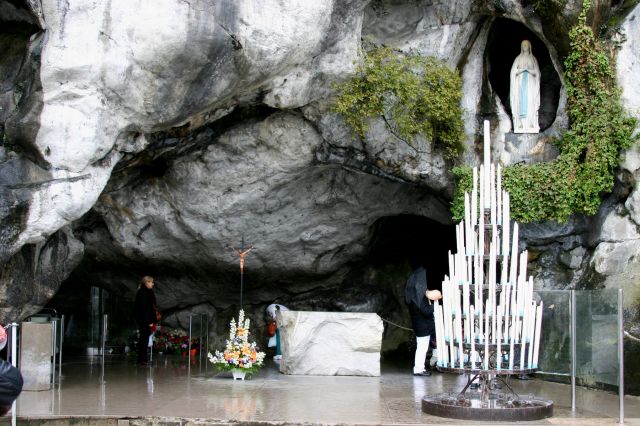
Grotto of Massabielle
The spiritual heart of the sanctuary and the exact place where the apparitions occurred. Unlike the large basilicas above, the grotto is simple and natural. Inside, visitors can see the statue of Our Lady of Lourdes and the spring from which Lourdes water flows.
Pilgrims traditionally pass through in silence, touch the rock, and leave written prayers. Over time, the stone has been polished smooth by millions of hands. Despite adaptations for accessibility, the grotto has kept its original, humble character.
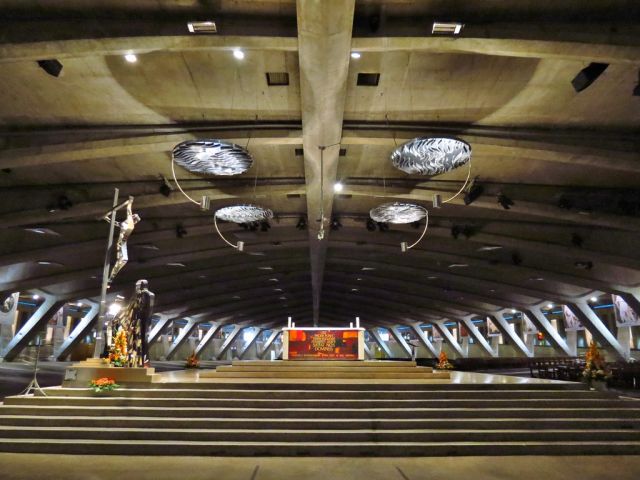
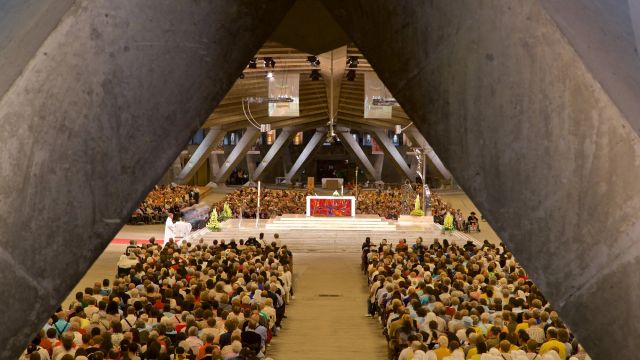
The Underground Basilica - Basilica of Saint Pius X
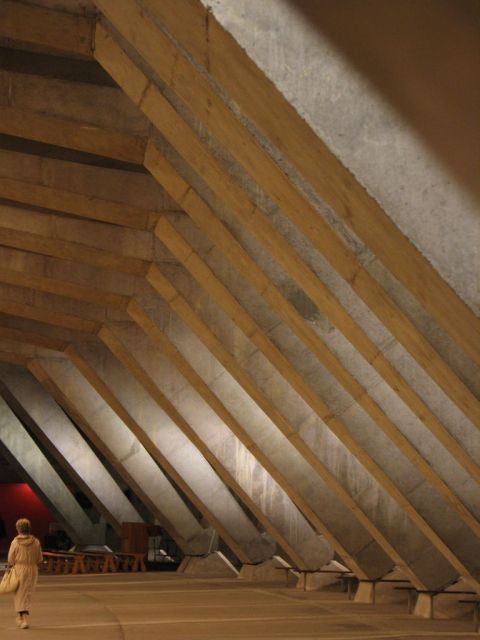
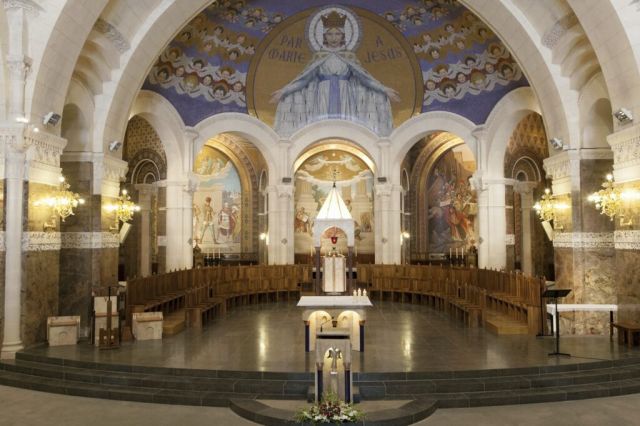
Built in 1958 for the centenary of the apparitions. Almost entirely underground, it was designed to preserve the skyline while hosting massive crowds.
It can hold up to 25,000 people, making it one of the largest churches in the world by capacity. Its modern concrete design contrasts strongly with the older basilicas and reflects Lourdes’ adaptation to modern mass pilgrimage.
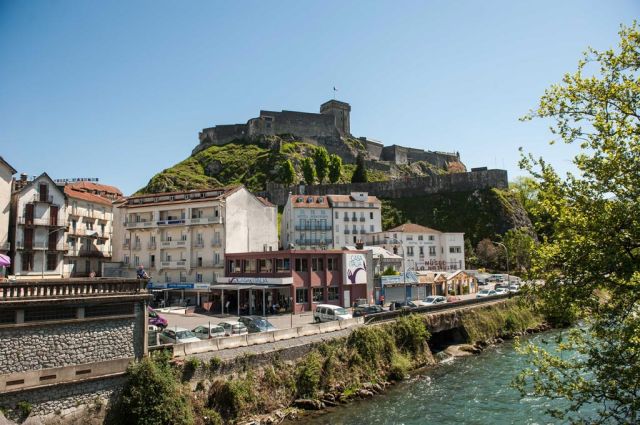
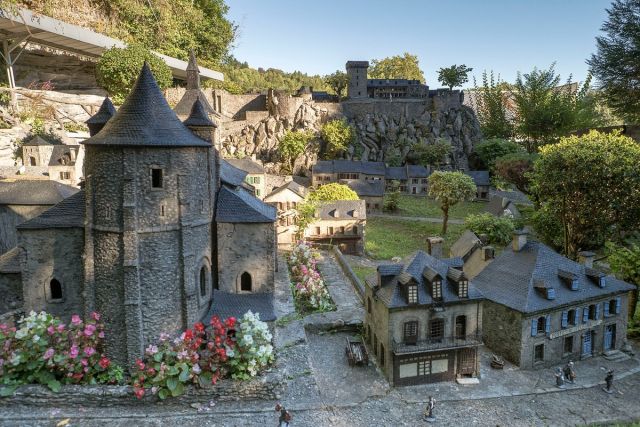
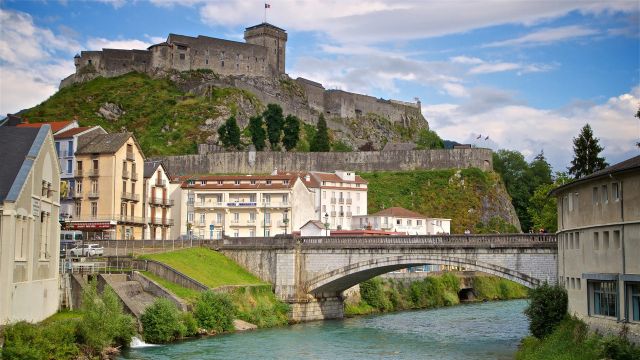
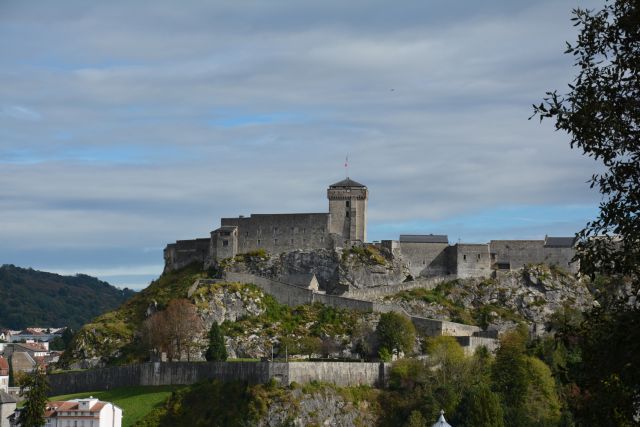
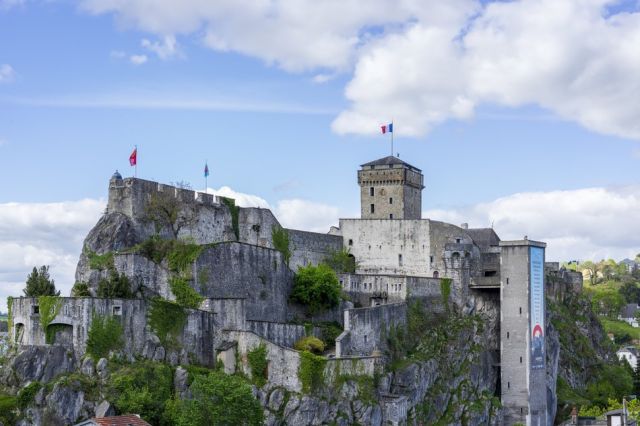
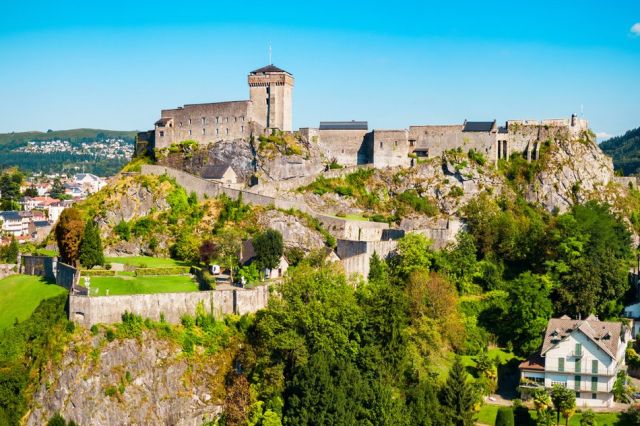
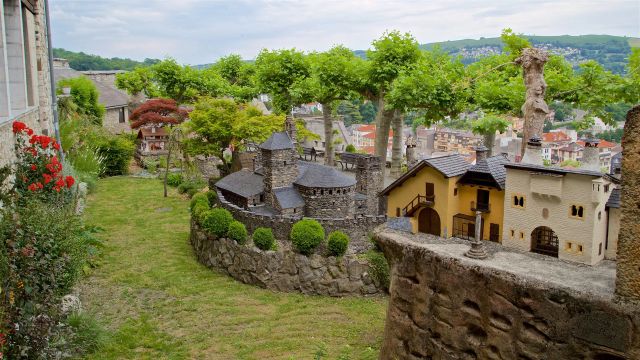
Château Fort - Pyrenean Museum
A fortress overlooking Lourdes, guarding access to the Pyrenean valleys. Its origins go back to Roman times, with major development during the Middle Ages.
Over the centuries, it served as a stronghold, royal fortress, and later a prison. Since 1921, it has housed the Pyrenean Museum. Listed as a historical monument, it offers insight into the region’s military and political past.
PAU
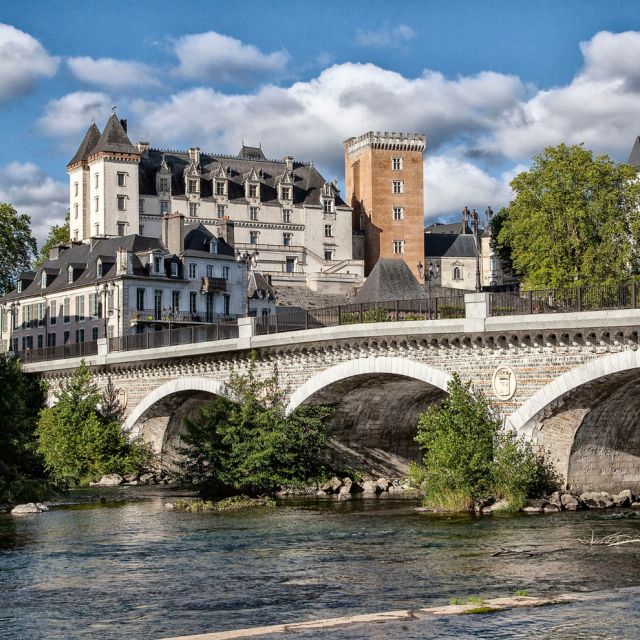
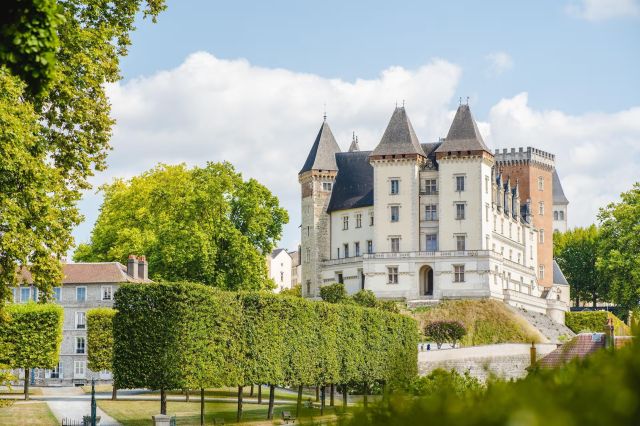
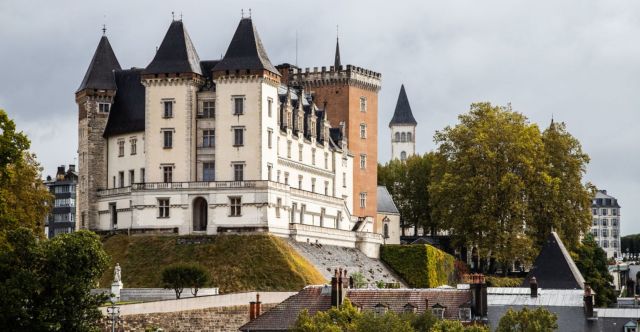
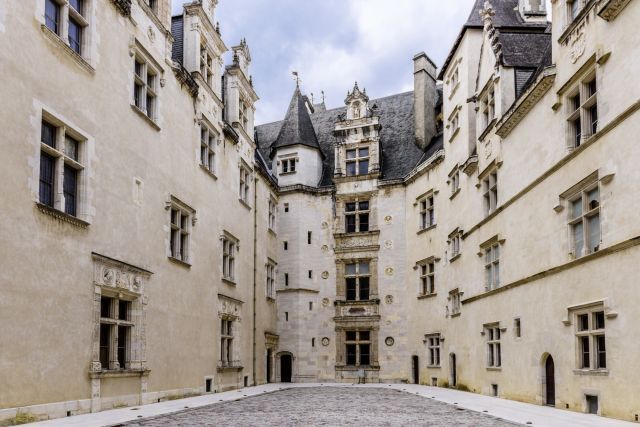
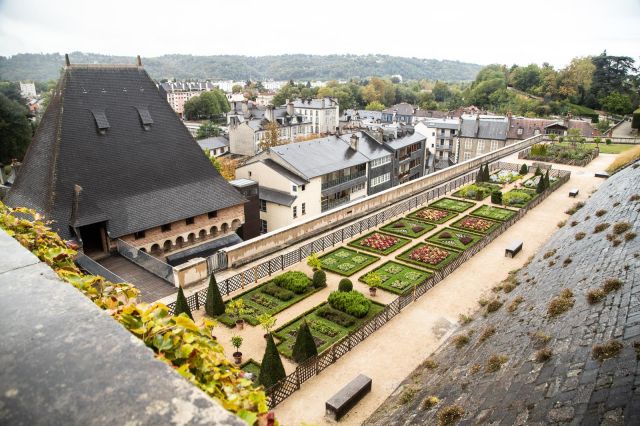
Château de Pau
A historic castle overlooking the Gave de Pau river. Originally a medieval fortress, it later became a residence of the rulers of Béarn and Navarre.
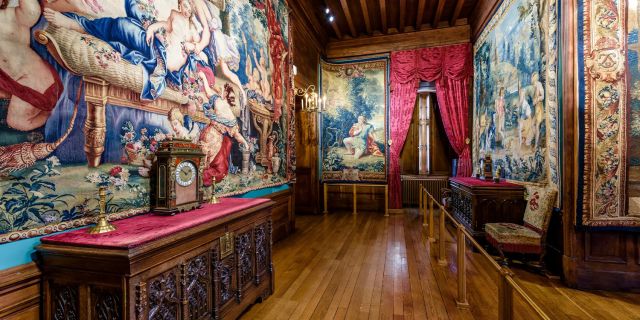
Its greatest importance comes from being the birthplace of Henry IV of France in 1553. Napoleon also used the castle during his reign. Today, it is a national museum with an important collection of tapestries and a key symbol of Pau’s identity.
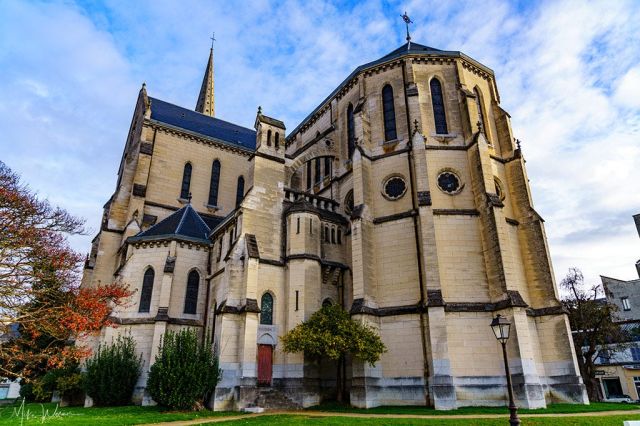
Église Saint-Martin
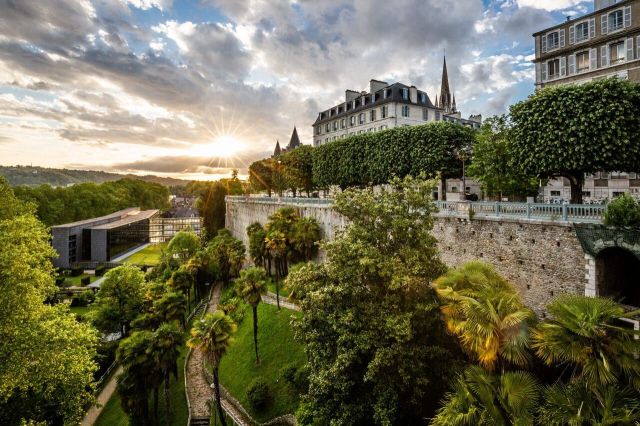
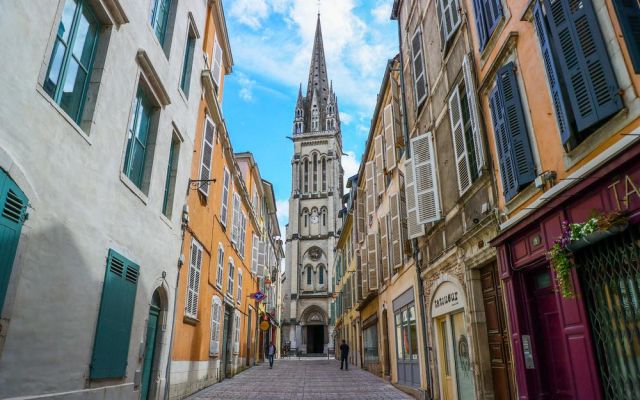
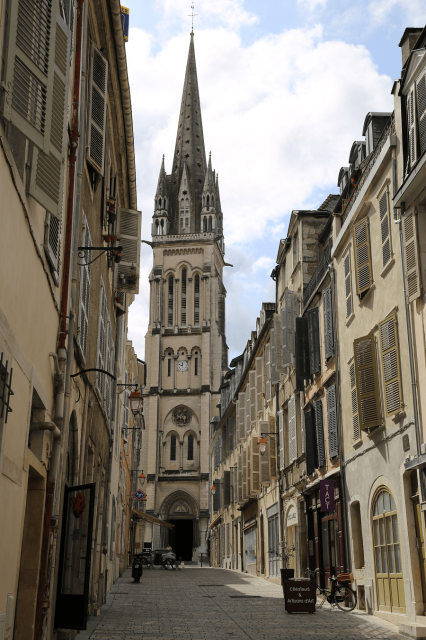
A major church in the center of Pau. The original building dates from the 15th century and was once used as a Protestant temple.
The current neo-Gothic church was inaugurated in 1871. It is known for its tall bell tower, stained glass windows, and historical importance.
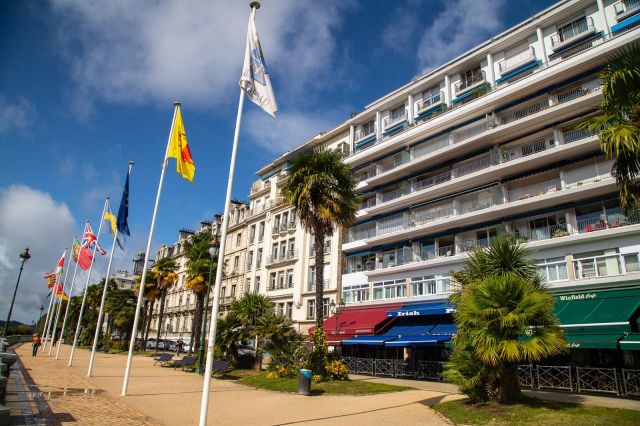
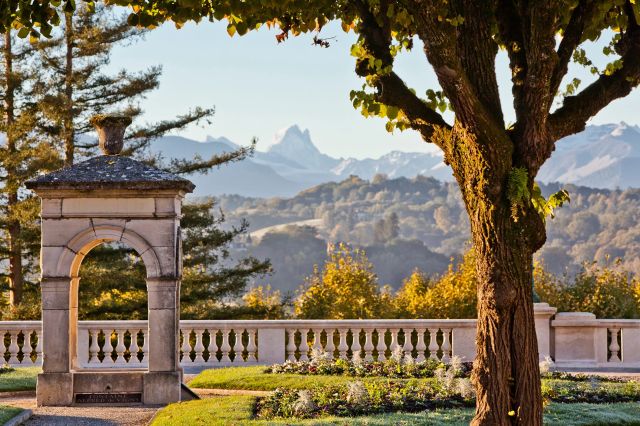
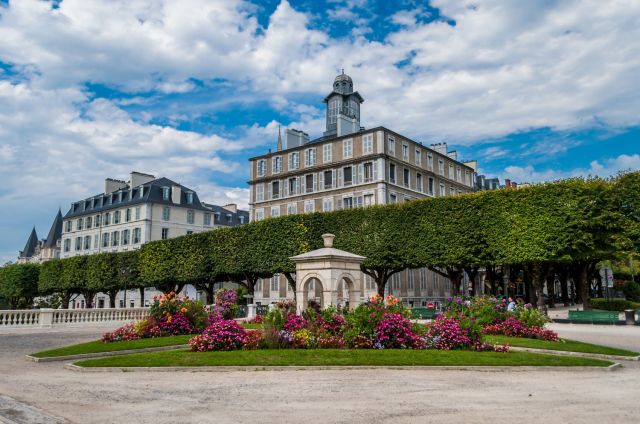
Boulevard des Pyrénées
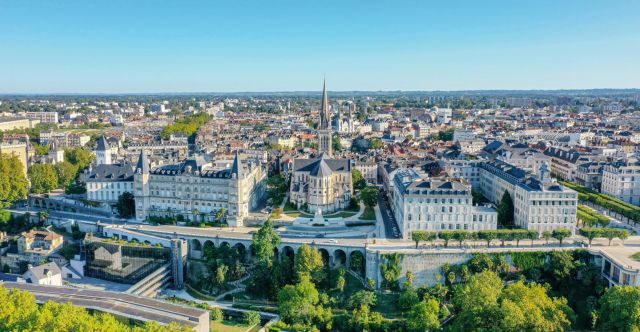
A panoramic walkway with some of the best views of the Pyrenees. Ideal for a relaxed stroll and photos.
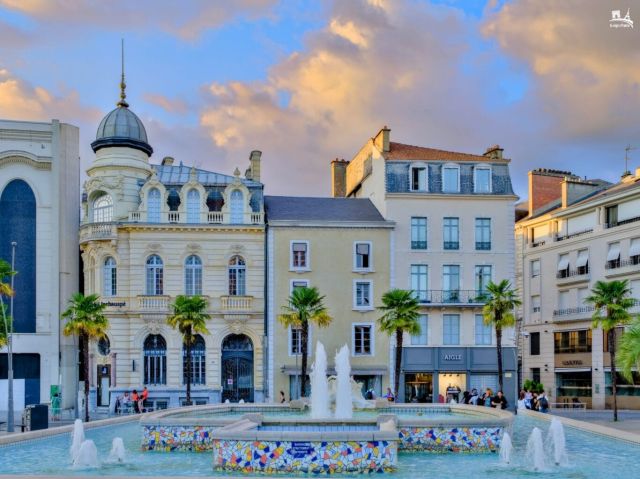
Place Clemenceau
The main square of Pau, connecting the historic center with the Boulevard des Pyrénées. Over time, it evolved into a lively urban and commercial area.
A key landmark is the Palais des Pyrénées, built in 1930 in an Art Deco style. Today, the square is fully pedestrianized and remains a central meeting point in the city.
PRICE
PRICE